Author: Rachel Glynn

  • More news from Stuart Taylor

    More news from Stuart Taylor

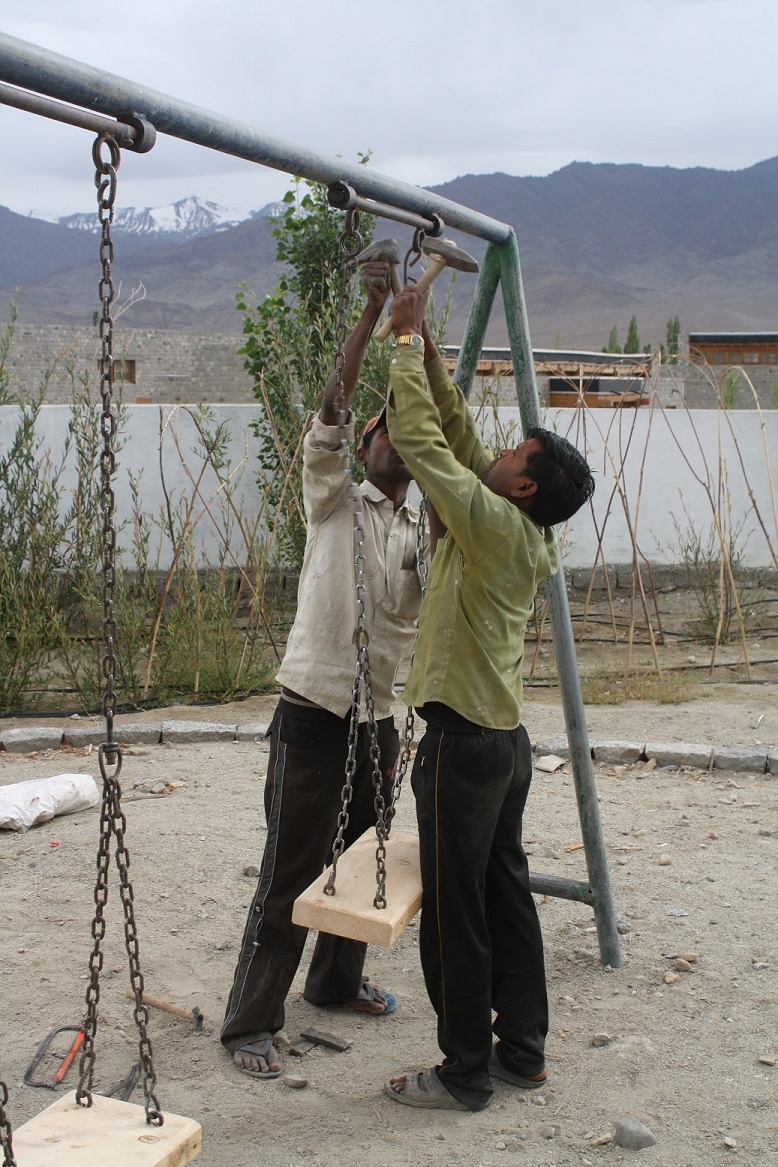
    Repairs have begun in the playground with new seats fitted to the existing swing sets and more ordered and on their way.

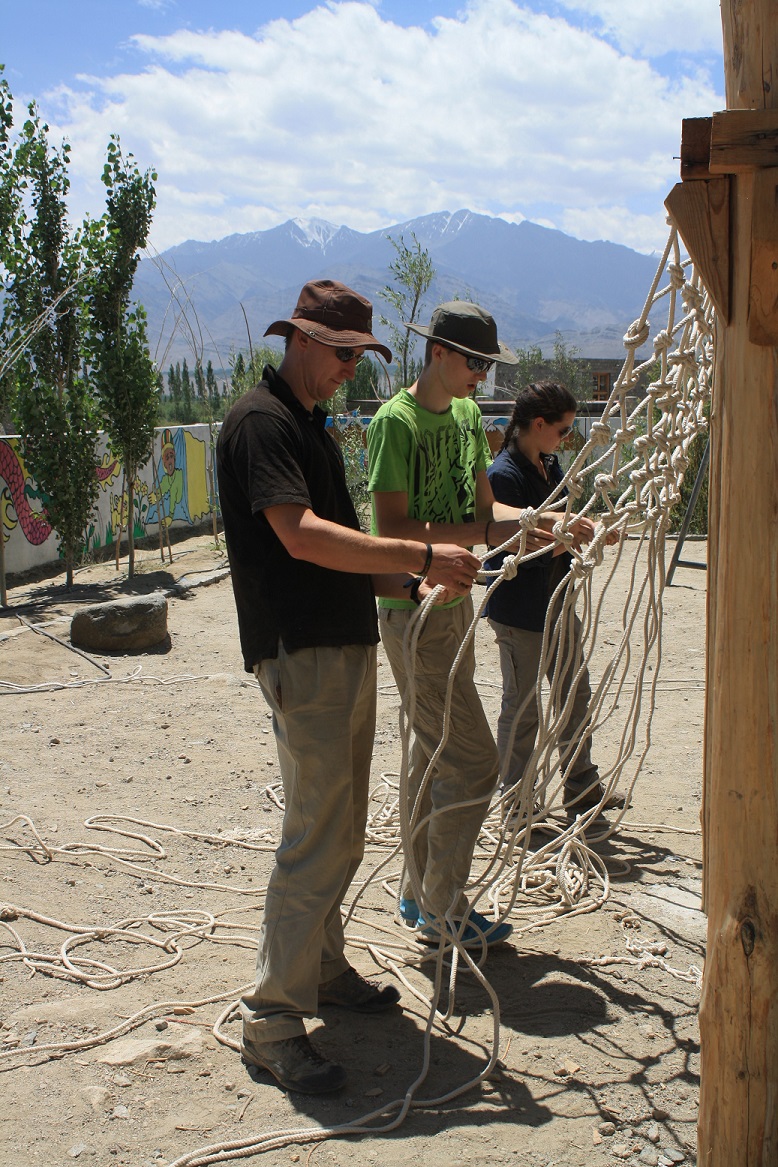
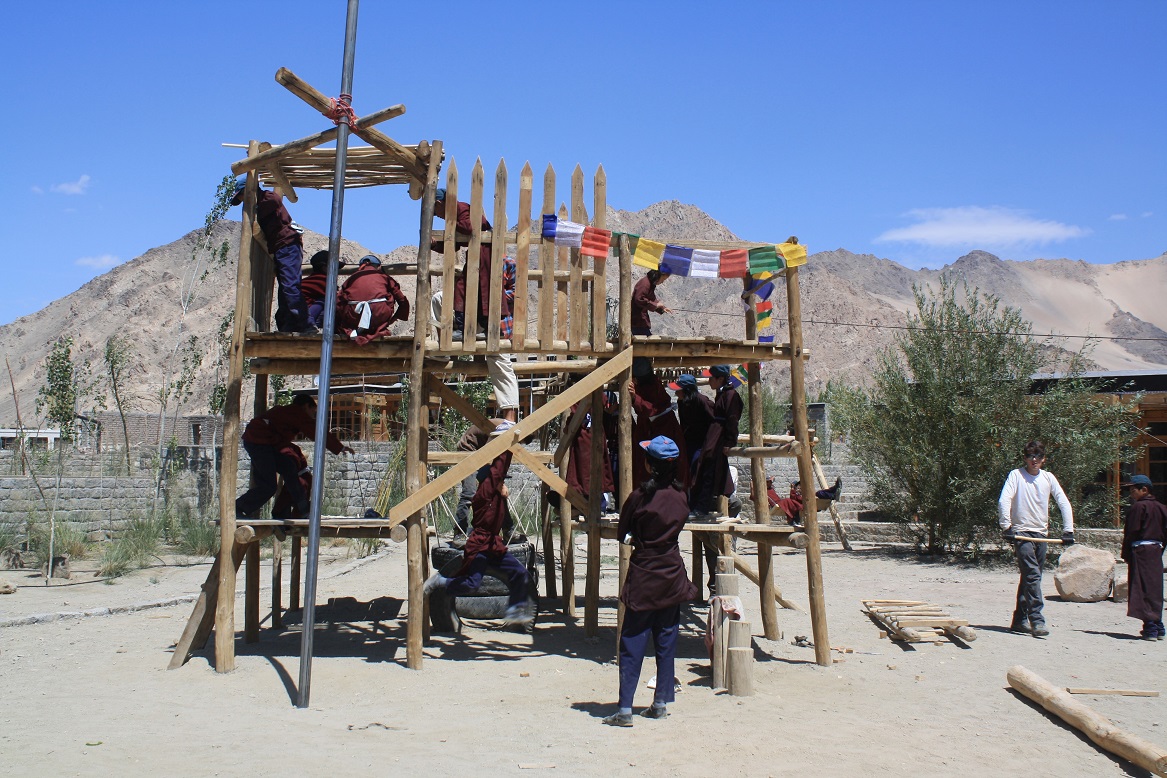
    I went through the plans for the playground with the volunteers from Cambridge and we discussed different options for getting involved in improvements to the space. Volunteers worked on my design for augmenting one of the structures with a cargo climbing net; fortunately the volunteer leader knew how to produce the net and so saved much time in trying to acquire a ready made one. The volunteers also assessed the existing climbing frame from top to bottom, put together by the same organisation in 2009, and spent much time making good and adding new features, including a second cargo net and tyre swing; both of which are very popular with pupils. The playground was given a thorough tidy up with all litter, extraneous items and large stones removed from the surface.

    8 Adventure Playground IMG 9630 1   9 Adventure Playground IMG 9651

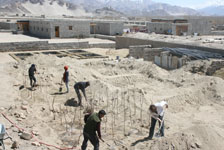
    Designs for the entrance path and Outer Ring have been discussed and I am awaiting availability of the JCB and truck to take the river stones to the front of site so I can start setting out with the volunteers from Cambridge next week. I spent some time making logistical arrangements for the volunteers and developing a schedule of work for the them.

    Whilst they still need a little work I was pleased with the progress and results from laying out paths to the entrance of the school.

    10 Pathways 1

  • More from Stuart Taylor

    More from Stuart Taylor

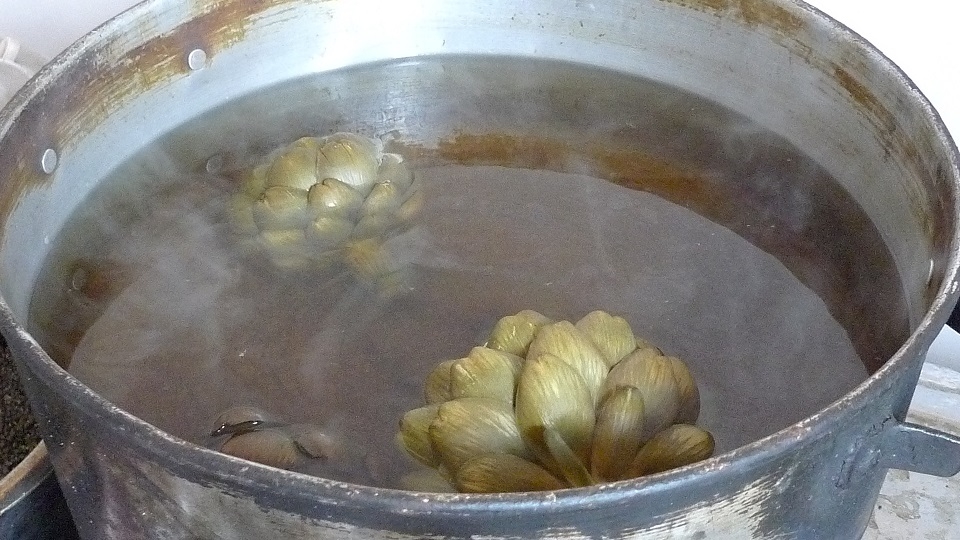
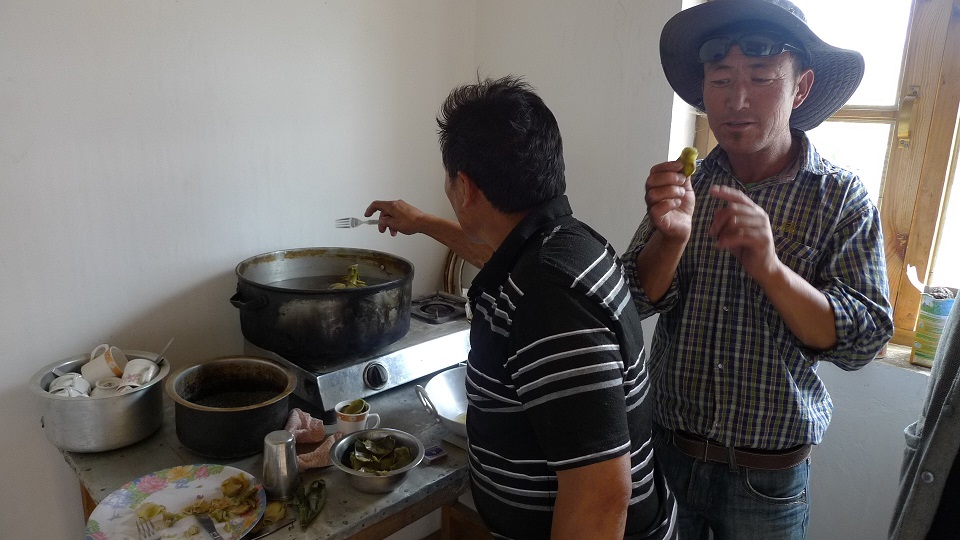
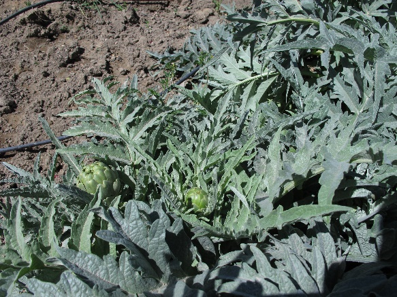
    The artichokes planted last year have borne fruit and whilst some have been left to seed we set up a temporary kitchen in the landscape office and cooked a number of them with Tsetan and Ritzen to try. They seemed happy with the results and before I knew it had a number others keen to try them too. A number of the artichokes were taken home by the staff so, who knows, it may be more likely to turn up on the local menu.

    2 Cooking P1080184

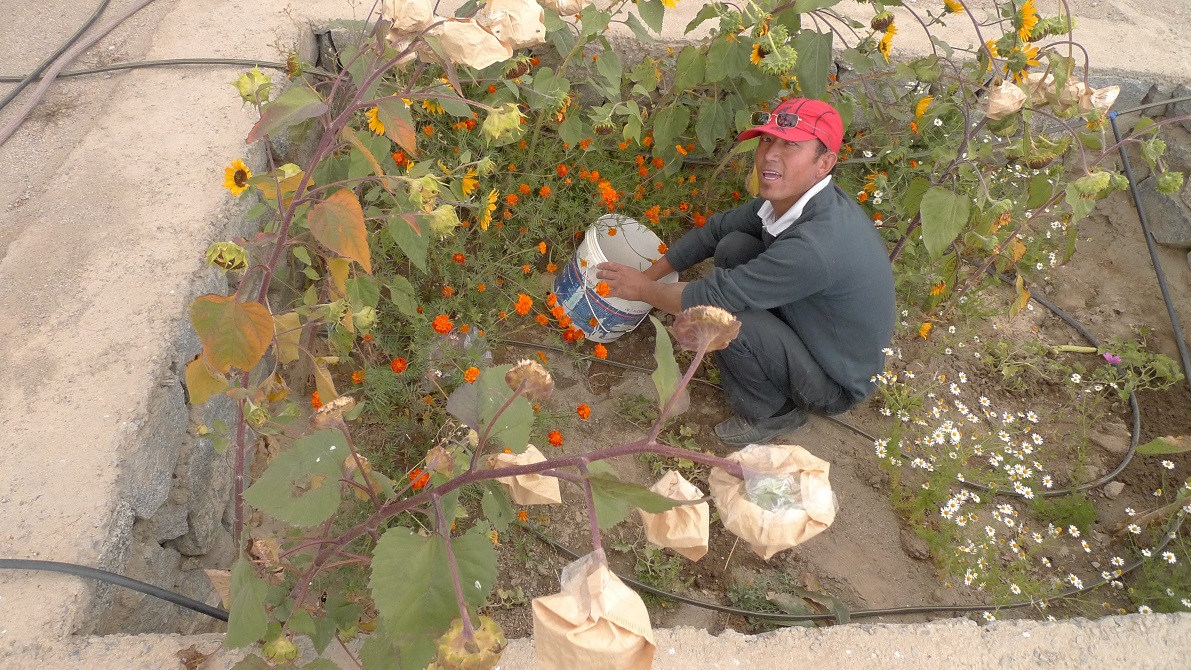
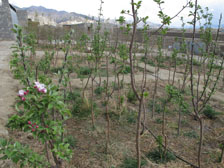
    In the nursery we started to thin some of the higher undergrowth in the orchard beds; two weeks of hot weather coupled with steady water from irrigation and rain resulted in the Alfalfa and Artemisia beginning to compete with the trees for water. As water supply from the irrigation system is still most “challenging” in the nursery the Artemisia was removed and the Alfalfa more selectively thinned and lowered; the latter is nourishing the soil quite effectively and so worthy of selective retention. Other work included harvesting and replanting Coriander, which would appear to be indestructible, and planting on ornamentals from the nursery into the landscape; The beds for the secondary school were prepared and planted with Marigolds and Cosmos. The irrigation laterals were extended to include the bed and it is now covered by the irrigation schedule. The compost pile was also watered and turned and the smaller Alfalfa plants relocated from the nursery to supplement the beds in the landscape.

    5 nursery 1

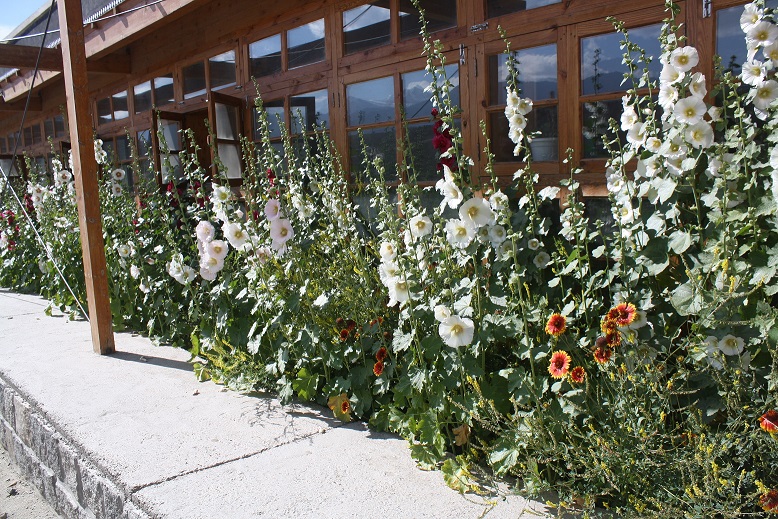
    The site is generally really looking good with much of the planting of previous years, and earlier this year, coming into full bloom and shows the full potential of a well irrigated landscape.

    4 IMG 9630

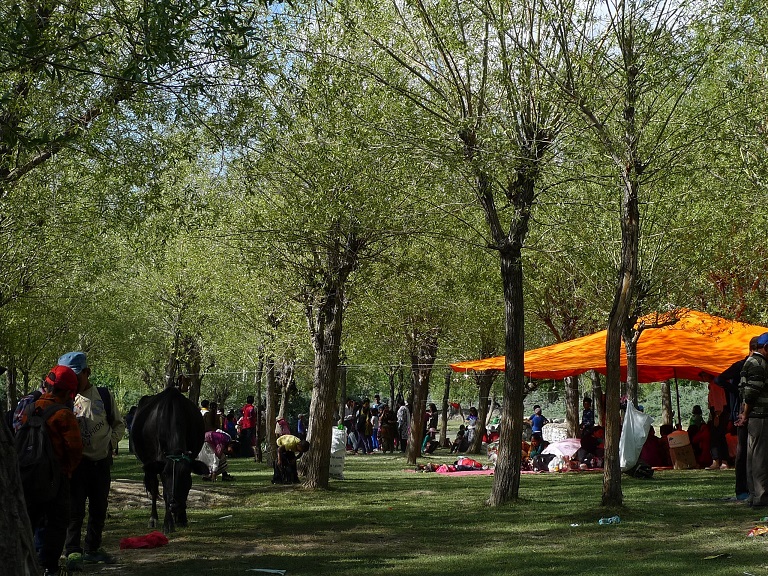
    At the weekend I was invited to the school picnic at site by the Indus, which is both idylic and a great example of what can be created to the front of the school with quality planting; I estimate that at mid-day the river combined with the planting lowered to the ambient tempreture by as much as 3-4 degrees so clearly something worth striving for.

    6 PICNIC 6

  • Students and staff hold condolence assembly

    Phil square obit website

    His Eminence Thuksey Rinpoche, Chair of Druk Padma Karpo Educational Society (DPKES), organised a special condolence assembly of all students and staff on 26th June 2014 in memory of Philip Cornwell who died that morning aged 67.

    Dr. Philip Cornwell, Trustee of Drukpa Trust, had a successful career in transport planning before becoming involved in the Druk White Lotus School, eventually becoming its international project manager and raising hundreds of thousands of pounds for the school.

    He was educated in the UK at Dartford Grammar School in Kent and Manchester University, where he graduated in 1967 with a BSc degree in civil engineering. He went on to do an MSc then a PhD in transportation and environmental planning at Birmingham University.

    A career in transport consultancy followed, first with Freeman Fox and Partners (later Halcrow Fox), then in private partnership with a small group of colleagues. Working mainly for the World Bank, they undertook projects in many parts of the world, including Burkina Faso, China, Peru and Thailand.

    In 1992, he was invited to join the newly established European Bank for Reconstruction and Development (EBRD), where he was a key member of the transport team and project-managed a series of transport-related schemes in post-communist Eastern Europe.

    In the late 1990s, he and Wendy, his wife of 46 years, adopted the Buddhist philosophy and became inspired by plans for the Druk White Lotus School initiated by their spiritual master, His Holiness Gyalwang Drukpa, to improve the lives of children in Ladakh.

    Phil-Wendy-Zanskar- 2007DSCN1805CROP

    Phil and Wendy

    In September 2000, Phil was invited to become a Trustee of Drukpa Trust, the UK registered charity managing the school project, and working alongside Annie Smith was able to apply his expertise to help continue the school’s development.

    After attending the opening of phase one in 2001, Phil reduced his work commitments at the EBRD and eventually took early retirement in 2008 so he could devote more time to the school and subsequently became its international project manager based in the UK.

    In 2002 Wendy took on co-ordination of a sponsorship programme to provide overseas financial support for school fees for children from needy families living in remote areas. In 2002, six children were supported by sponsorship and the number has grown to more than 160.

    Phil managed the fundraising as well as strategy, design and construction work, working closely with Jonathan Rose and later Sean Macintosh of Arup Associates, Sonam Angdus the local construction manager and Dr Ishey Namgyal, Secretary of DPKES. After organisational changes, the project office was set up in the Cornwell’s home, in Bromley, Kent.

    Phil, a naturally generous and easy-going soul, had a deeply ingrained sense of obligation to help others and he threw himself wholeheartedly into the school project. Between 2002 and 2012, Phil visited Ladakh twice, and sometimes three times, a year to oversee the project.
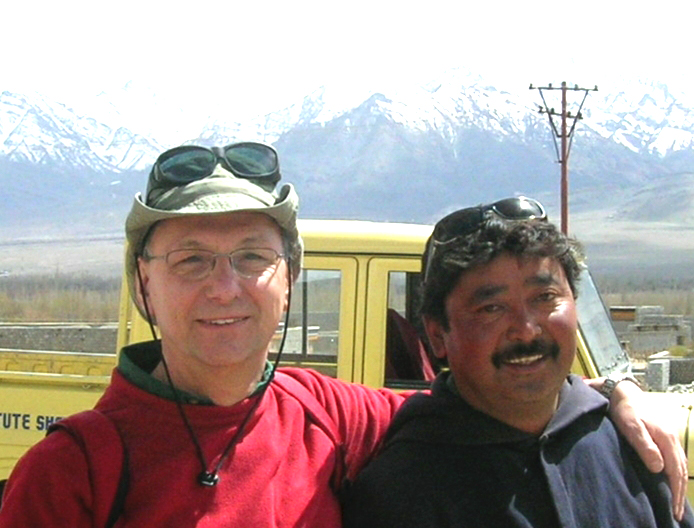
    Phil Angdus Lama FR crop3LIGHTER

    Phil and Angdus

    Phil inspired many people with whom he worked, but it was a two-way process and he would reflect on how inspiring he found the design team volunteers at Arup Associates and Arup.

    Phil visited Ladakh soon after the devastating mudslide of August 2010. The following year, he worked with the engineers and architects at Arup Associates on the design of a defence wall to protect the school from future mudslides. This took two years to build.

    In 2012, he led discussions for a collaboration with the University of Greenwich in London, on a landscape and gardens programme to create a stimulating, green, learning environment on the school campus. Tom Turner, a semi-retired senior lecturer in the Landscape Architecture Department, visited Ladakh with Phil that summer.

    Under Phil’s leadership and Tom’s guidance, volunteer postgraduates helped to get the project off the ground. Earlier this year, Phil was delighted that the drip-irrigation system was working, providing essential watering for the ever-expanding biomass on the campus. The school’s Dragon Garden aims to inspire students, staff, parents and visitors.

    His visit to Ladakh in October 2012 was to be his last. He had planned another visit in March 2013, but instead he was in hospital where he was diagnosed with multiple myeloma, (bone marrow cancer).

    For the 16 months following the diagnosis, he continued to work on the school project, albeit at a slower pace. The project was a great support for him, helping him to focus on something positive and something that he loved doing. Working closely with Rachel Glynn, he started handing over the project management fulfilling his wish that Wendy and Rachel would take over from him once he bowed out.

    Phil had a wide range of qualities. Professionally he was good at finance, strategic thinking and project management. As a friend, Phil demonstrated kindness, commitment, loyalty, encouragement, and his capacity for caring remained constant despite his illness.
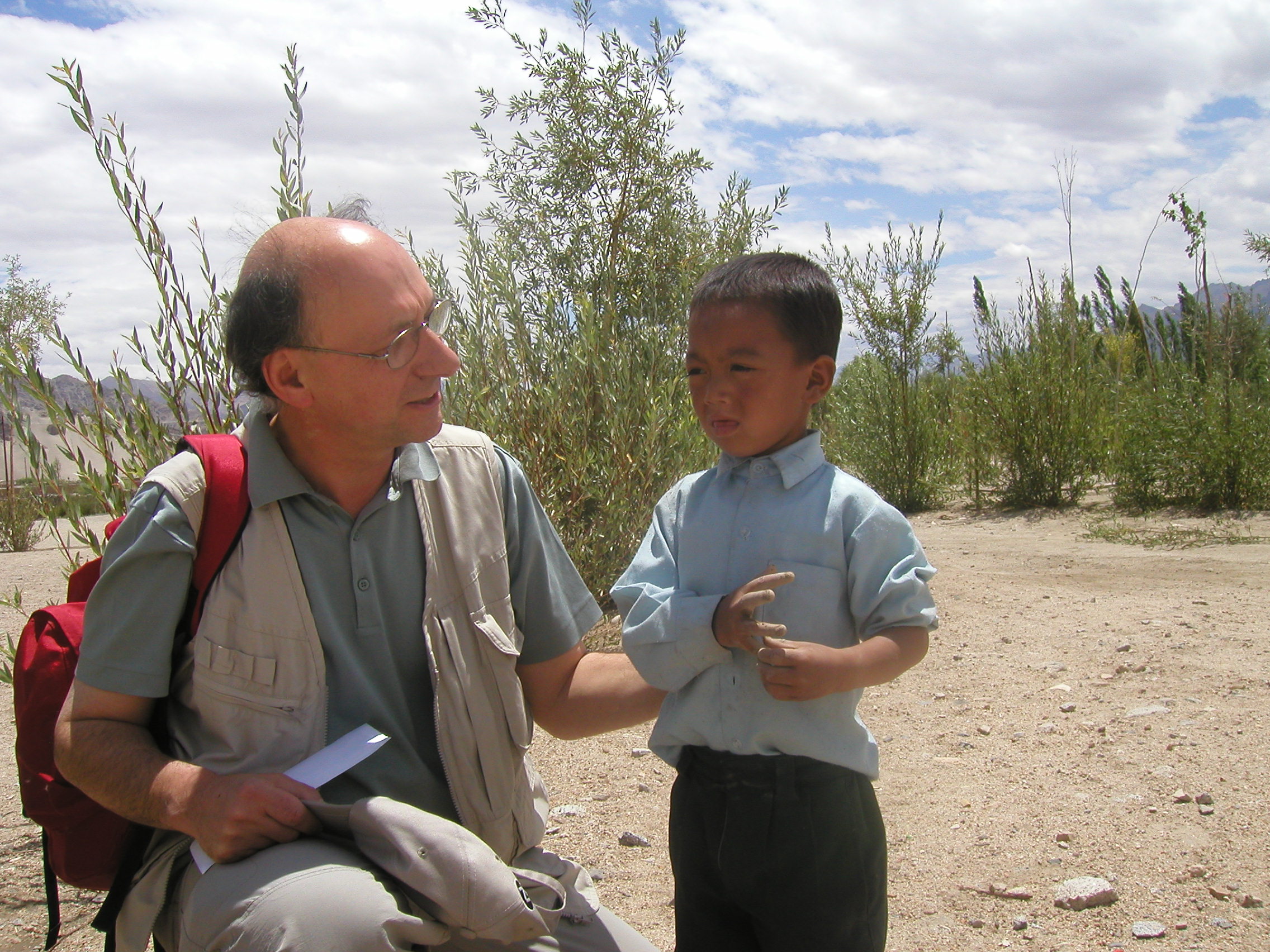
    Always-caring-for-people-2005-P7260130

    “Sir Philips”, as his Ladakhi friends called him, was someone who liked to complete things and unfortunately he did not live to see the secondary school construction completed. But, once finished it will serve as a fitting tribute to his dedication and devotion to the children of Ladakh.

    Phil did not forget the young people in his homeland. In latter years he was a volunteer for The Prince’s Trust as a mentor for young people, and worked as a volunteer for the Bromley Education Business Partnership.

    He is survived by his mother Betty, now in her 90’s, and by Wendy, their children Emma, William and Hannah, and nine grandchildren.


    Phil square obit website

    Philip Roger Cornwell    29th December 1946 – 26th June 2014

  • Extracts from Stuart Taylor’s weekly reports

    Extracts from Stuart Taylor’s weekly reports

    Much of the week, starting on the 24th June, has been spent as “project hand over” from Elaine to me and this offered the opportunity for me to familiarise myself with the site and landscape, as well as meeting key people at The School. I am really impressed with what has been achieved so far on site and very much hope to be able to continue the good work.

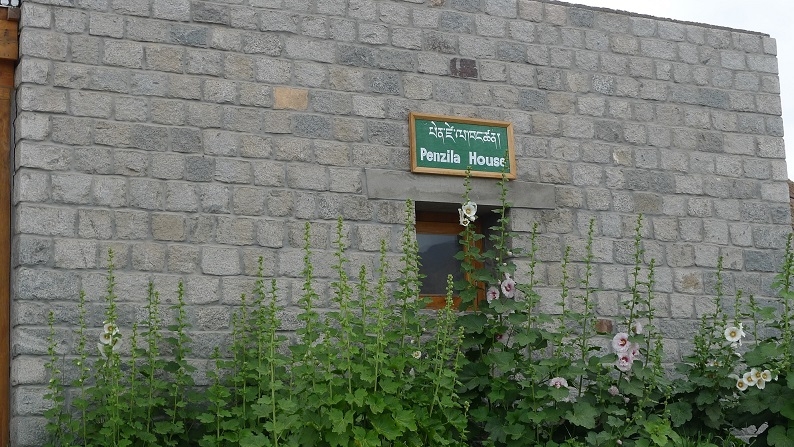
    I have been briefed on Elaine’s designs for the residential courtyards, Zojila/Khardongla House (Courtyard 1) and Warila/Penzila House (Courtyard 3) and we have had a refresher meeting with Angdus to ensure these remain on the schedule of works for the next couple of months. The courtyards are easier to identify since the arrival of some rather smart signs in time for the opening of the Ladakh International Film Festival at the school.

  • More extracts from Elaine’s weekly reports

    More extracts from Elaine’s weekly reports

    This week in the nursery we have been continuing with the ever expanding watering regime. Tsetan and I have continued with our quest for more vegetables to plant.

    The landscape team has been building wigwams from old willow stems for planting up beans as well as planting still more veg into the bays.

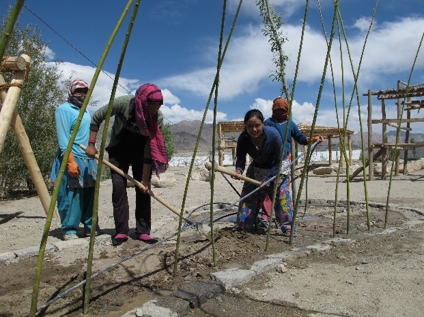
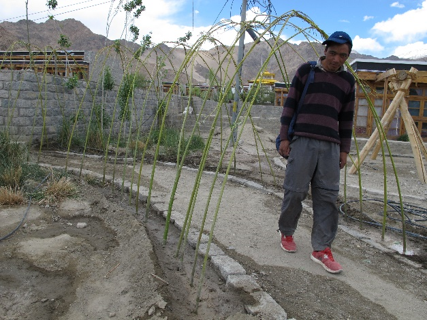
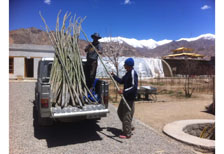
    Rigzin and I finally spent a day together to get the willow arch into the ground in the Playground with the help of the house mothers and some drop in assist from some of the labourers. It’s not the prettiest arch in the world but it is currently alive and well. It’s a little late in the season but the willow had been stored in water and had roots sprouting from the stems so I am hopeful that it will take with appropriate irrigation.

     willow


    We have artichokes forming from last year which is rather exciting. It’s a new vegetable for the people here so I might suggest a cook up one lunchtime.

    Artichoke

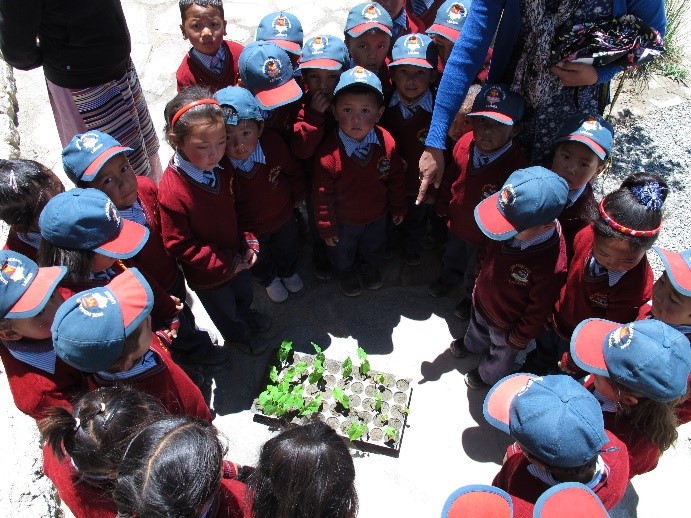
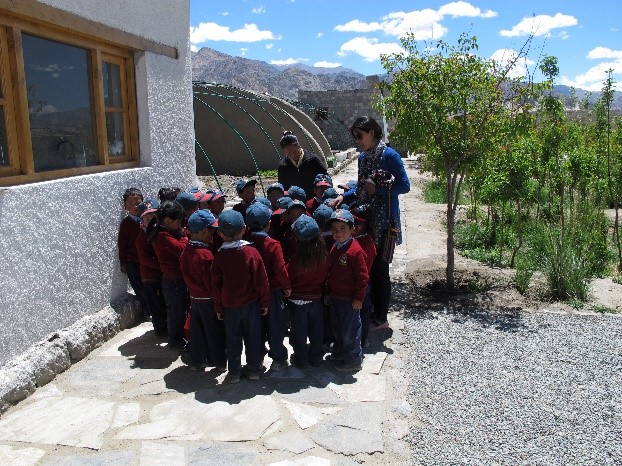
    The infants made an impromptu visit to the nursery on Tuesday morning and I showed them around, which was fun.

    Infants  Infants 2

  • Resident Landscape Architect Weekly Report 12th to 18th May 2014

    This week has seen more preparation of the vegetable beds by the landscape team.

     experiment with thorny shade for seeds-224

    We have also been planting up more seeds into beds and trays. The upside of planting into trays is being able to monitor and control them from the more negative impact of the flooding water irrigation regime, which can be quite harsh on emergent seedlings. The downside is that they need watering twice a day but this isn’t unusual for smaller containers in any climate and has been easy enough to achieve so far. I am wondering about seeing if there are any residential children who may be interested in a spot of light Sunday / weekend seedling watering for when I am not here. The seedlings will be potted on or transplanted soon enough.

    It was school planting and gardening afternoon on Saturday towards the gardening competition, which was boisterous and productive. I prepared an A4 sheet of very simple garden criteria for each classroom to have. Karma walked me around the classrooms and I distributed a few little plants and seeds as well as talked about the children’s plans for their gardens. I look forward to watching the gardens develop but it will be Stuart who will judge them later on in the year.

       Planting-IMG 2622-224   Adventure playground entrance-224

    Basset from JAINS also arrived on Saturday for an initial analysis of remaining works to the irrigation system. Mathura, Tsetan and I walked around the site with him assessing the installation and we also discussed the pump installation with Angdus. Basset did not seem to think there were any great hurdles and estimated a fully operational system within a month.

    See what can be done in one year below.

    The Plant Nursery Spring 2013, first fruit trees               

    PlantNursery2013-new--treesIMG 2341-224size     

    The Plant Nursery Spring 2014, fruit trees blossoming         

    green nursery 2-224

  • Resident Landscape Architect Weekly Report 5th to 11th May 2014

    The tree stock in the nursery is coming into leaf and following a few light rainy periods everything is looking a little cleaner and less dusty than usual.

    green nursery 2-224

    The week has been focused on beginning to purchase seeds and flower and vegetable seedlings and plant them into the nursery or distribute them to the house mothers and classrooms around the school. We have tried to buy alfalfa three times now from the agricultural department in Leh but have had the misfortune to arrive at just the wrong time to get the right chap to give us the ticket to take away some of this precious commodity.

    buying seed-224

    I met with Angdus to discuss remedial and new construction works for the play area. We looked at a variety of different tyre-based features that should be easy enough to build. This structure will be somewhat dependant on how many tyres we can source in the meantime.

    I arranged for a children’s planting day in the classroom gardens for the garden competition.

    children planting-224

  • Resident Landscape Architect Weekly Report 28th April to 4th May 2014

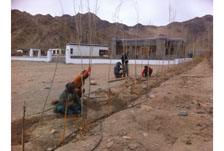
    Tsetan and Ritzen collected the willow for the spine on Monday morning and set about planting it for the rest of the week.

    Wednesday was a residents gardening afternoon and there was a whirlwind few hours when the children and house mothers set about digging the soil in the Spine and planting it with (French) marigold seed around the grasses.

    IMG 3148-224     IMG 3150-224

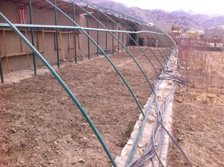
    Watering seems to be under control but it is time consuming and requires some thought to get it all done especially as we begin to plant up more and more bays in the nursery and it gets warmer and warmer. I have been planting more seeds with a view to increasing flower and seed stock and have been experimenting with a mix of planting in containers in the office and in the outdoor soil bays. I am also experimenting with creating some permeable shade (and dog proofing) in the outdoor bays using the dead  poplar and willow stems and buckthorn. It’s much warmer now and the second polythene roof of the polytunnel has been taken down.

    blossom-224

  • Resident Landscape Architect Weekly Report 21st to 27th April 2014

    The poplar and willow replant has continued.

    willow-for-spine-224      planting-poplar-people-224

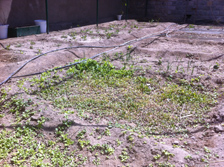
    The majority of the vegetable beds in front of the plant nursery have been dug over with manure and reshaped into bays in preparation of planting them up, below left. I have planted some more flower seedlings and some of the previously planted seedlings are beginning to come through, which is jolly exciting. There’s sunflower, English marigold and a few as yet un-identified species.

    prep-nursery-224      seedlings-2-224  

    seedlings-224      res1-garden-224

    Many of the residences are preparing their flower beds in advance of the garden competition. It is great to see that many are looking really very neat.

  • Kurman Gyalmo Inter School Literary Meet

    The third Annual Kurman Gyalmo Inter School Literary Meet was held on the 25th and 26th of April, 2014. The meet had many events such as elocution, debate, quiz, digital art, poetic art, Bhoti declamation, skits, talent hunt, poem recitation and essay writing.

    The Kurman Gyalmo meet is conducted to showcase the talents of Ladakhi students in literary events. The students use this platform to fine-tune their talents and dig deep into their potential.

    The Theme for this year’s meet was ‘Elections’ for the senior students and ‘Conservation of Natural Resources’ for the junior sections. This year there were 8 schools participating.

    On the last day the prize giving was held and Dr. Wangchuk Negi, Director CIBS, Choglamsar was our honorable Chief Guest.

    Druk Padma Karpo School won the “best school” award in both junior and senior events.